Start with a careful identification
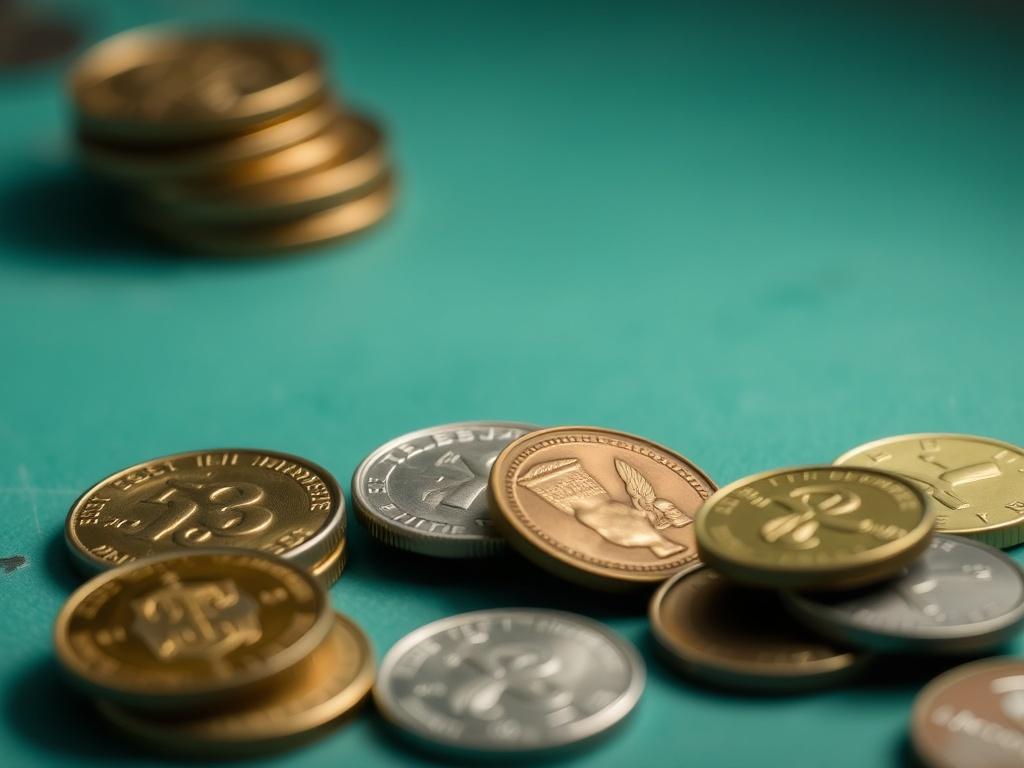
Before you think about prices, know what you actually have. Lay the coin value app on a plain surface and examine three things: date, denomination, and any mint mark (a small letter indicating where the coin was struck). Those details often determine whether a coin is common pocket change or something collectors want to fight over.
When you identify the coin, make notes or take sharp photos under good light. Photos from both sides and a close-up of any mint mark or unusual feature will be invaluable later when you compare listings or ask experts for help.
Tools you’ll want on hand
- Soft, lint-free gloves (preferably nitrile) to avoid adding fingerprints.
- Magnifying glass or a 5–10× jeweler’s loupe for small details.
- Soft brush and microfiber cloth (for removing dust only; never polish).
- Coin flips, holders, or small cardboard coin holders to keep pieces safe.
- A digital scale (to check weight) and calipers (to check diameter) for advanced authentication.
How condition (grade) affects value
Condition is often the single biggest driver of collector value. Two identical coins from the same year can be worth dramatically different amounts depending on wear, scratches, luster, and whether the original details remain crisp. You don’t need to be a professional grader to get a sense of condition, but learning the basic scale helps you compare apples to apples.
| Grade | Short form | Description | Typical impact on value |
| Poor to Fair | P–F | Very worn, date barely readable, design heavily smoothed. | Usually low value except for extremely rare dates. |
| Good to Very Good | G–VG | Design visible but flattened by wear; major features readable. | Modest collector interest; value modestly above melt for base-metal coins. |
| Fine to Very Fine | F–VF | Medium wear; many details still present. | Considerable increase in value for scarce issues. |
| Extremely Fine | EF/XF | Light wear on high points; most design details sharp. | Collector demand rises; premium over common grades. |
| About Uncirculated to Mint State | AU–MS | Little or no wear; Mint State coins show full luster. | Highest collector value, often multiples of lower grades. |
Quick grading tips
- Look at high points of the design first—these show wear early.
- Scratches and environmental damage (pitting, corrosion) reduce grade more than light contact marks.
- Toning (color change) can add or subtract value depending on appeal to buyers.
Research: where to find reliable price information
Once you know what the coin is and have an estimated grade, it’s research time. You’ll want to cross-check several sources; relying on a single “price guide” is risky because market prices fluctuate.
Useful resources
- Published guides like the Red Book (A Guide Book of United States Coins) for US issues.
- Professional grading services’ price databases (PCGS, NGC) which show certification sale results.
- Online marketplaces—search completed eBay listings to see real sale prices, not asking prices.
- Auction house archives (Heritage, Stack’s Bowers) for rare, high-value examples.
- Specialty sites (Numista, CoinArchives) for world coins and historical sales data.
As you research, note whether prices refer to raw coins (uncertified) or certified coins—certification raises prices because it removes uncertainty for buyers.
Authentication and third-party grading
If a coin looks rare or expensive, consider third-party authentication. PCGS (Professional Coin Grading Service) and NGC (Numismatic Guaranty Corporation) are the most widely trusted labs. They will encapsulate the coin in a secure holder and assign a numeric grade after inspection.
Costs vary by declared value and can include shipping and insurance. Certification is worthwhile when you expect the coin’s market value to be significantly higher than the grading cost, or when selling to collectors and dealers who prefer certified material.
When certification makes sense
- The coin is rare, unusual, or a likely target for counterfeits.
- You plan to sell at auction or to collectors who prefer slabbed coins.
- The grade affects value dramatically—e.g., a key-date in MS versus VF.
Different ways coins are priced
There’s no single “right price.” Value depends on market demand at the moment you sell. Here are the common pricing methods and what they mean for you.
| Method | What it shows | When it’s useful |
| Catalog / guide price | Reference values for given grades. | Good starting point for estimates; conservative. |
| Auction results | Actual market prices realized by bidders. | Best indicator for rare or high-value coins. |
| Dealer price | What a dealer will pay (buy) and sell for. | Useful if you plan to sell locally or at a show. |
| Online marketplace sales | Real-world prices from internet buyers. | Good for common items and quick sales. |
| Metal melt value | Value of the coin’s metal content (precious metals). | Relevant for bullion coins or melted older coins. |
How to check completed sales on eBay
- Search for the coin by year, denomination, and mint mark.
- Filter results to “Sold listings” or “Completed listings.”
- Compare coins of similar condition—raw vs certified makes a big difference.
- Note shipping costs and whether the sale included grading or extras.
Selling: options and trade-offs
If you decide to sell, there are several paths. Each has pros and cons depending on speed, fees, and the price you want to achieve.
- Dealer: fast, but dealers buy at lower wholesale prices to cover overhead and resale profit.
- Auction house: best for rare high-value coins; fees and reserves apply and cash may take weeks.
- Online marketplaces: good for common-to-moderately-rare coins; you control pricing but handle shipping and disputes.
- Coin shows and local clubs: face-to-face negotiation, immediate payment, often fair prices if you shop around.
- Consignment to a dealer or auction: lower immediate cash but potentially higher realized price for rare items.
Negotiation tips
- Start with realistic expectations based on multiple sources.
- Don’t accept the first low offer; politely walk away and get a second opinion.
- If selling multiple coins, consider bundling—dealers may offer a better total price than per-coin offers.
Avoiding scams and common pitfalls
Scammers target rare coins because buyers expect big payouts. Be skeptical of anonymous buyers offering immediate wire transfers or insisting you ship before payment clears. Beware of “too-good-to-be-true” offers and high-pressure tactics from dealers. When dealing online, use secure platforms with buyer/seller protections and trackable shipping with insurance.
Red flags to watch for
- Unsolicited offers much higher than guide prices.
- Requests to bypass marketplace protections or ship before payment.
- Buyers who refuse to provide references or insist on unusual payment methods.
- Sudden claims that a coin is uniquely valuable without documentation or provenance.
How to preserve and store your coins
Proper storage preserves value. Don’t clean coins—cleaning removes metal and can destroy collector value. Instead, handle coins by the edges, keep them in inert holders (mylar flips, coin capsules), store in a cool, dry place, and avoid PVC-based plastics that can cause long-term damage.
- Use silica gel packets to control humidity in storage boxes.
- Label holders with date, denomination, mint mark, and your grade estimate for quick reference.
- For very valuable coins, keep an inventory and consider safe deposit or home safe storage.
When to seek professional help
Call in an expert if you find a potentially rare date, an interesting error coin (double die, clipped planchet, off-center), or a hoard of many coins. Professional numismatists can authenticate, grade, and recommend the best sales channel. If you suspect a coin is counterfeit, stop transacting and ask a reputable dealer or a grading service to examine it.
Common abbreviations you’ll encounter
- MS — Mint State (uncirculated condition)
- AU — About Uncirculated (very slight wear)
- VF — Very Fine
- XF — Extremely Fine
- PCGS / NGC — major grading services
Practical step-by-step checklist
- Identify the coin: country, denomination, date, mint mark.
- Photograph both sides clearly; note any defects or unique features.
- Estimate grade using the cheat sheet above.
- Search price guides and completed sales for comparable grades.
- Decide whether certification is worth the cost.
- Choose a selling route based on expected value and urgency.
- Store remaining coins properly to protect future value.
| Step | Time | Effort | When it matters most |
| Identification | 5–15 minutes | Low | Always—foundation for everything else. |
| Grading estimate | 10–30 minutes | Medium | When condition affects value greatly. |
| Research | 30–120 minutes | Medium–High | Before pricing or selling. |
| Certification | Weeks (including shipping) | High (costs apply) | For rare/high-value items. |
Final notes on emotional value
Some coins have family stories or sentimental links that outweigh market prices. If a coin reminds you of a grandparent or ties you to a moment in history, that personal value is legitimate and sometimes more important than the dollar amount you could get at auction. Balance emotion with informed decisions if you need cash or want to preserve a family heirloom.
Conclusion
Checking the value of an old coin is a mix of careful observation, sensible research, and a little patience. Start by identifying and photographing the piece, estimate condition honestly, and compare multiple pricing sources—auction results, dealer notes, and completed online sales. Use certification selectively for high-value or questionable pieces, protect coins with proper storage, and choose a selling path that matches your needs. With these steps you’ll turn mystery into knowledge, and knowledge into the best outcome for both your wallet and your curiosity.

 Загрузка...


